
Why Early Palate Expansion Matters For Growing Smiles At Island Orthodontics
Exploring The Health And Developmental Benefits Of Timely Orthodontic Intervention
Table Of Contents
Introduction
Meet The Doctors
What Early Palate Expansion Is
Why Timing Matters For Growing Smiles
How A Narrow Upper Jaw Can Affect Development
Why Crossbite Is Important To Catch Early
How Expansion Can Create Space For Erupting Teeth
What Parents Should Know About Airway And Breathing Questions
What Treatment Can Look Like At Island Orthodontics
Signs Your Child May Need Early Treatment
Our Top Picks For Parents Considering Palate Expansion
Why Families Choose Island Orthodontics
Conclusion
Frequently Asked Questions
Introduction
When parents hear the words palate expander, they often picture an appliance and not much else. But early palate expansion is really about guiding growth while a child is still developing. In the right patient, expanding a narrow upper jaw can help correct crossbite, create room for erupting teeth, support better bite development, and make later treatment less complicated. That is one reason the American Association of Orthodontists (AAO) recommends an orthodontic evaluation by age 7. At that age, we can often see whether jaw growth, spacing, or bite relationships need early help, even if full braces are not ready yet.
AtIsland Orthodontics, we love helping families understand what early treatment can and cannot do. Serving Mobile and Baldwin Counties with free consultations and treatment options that include braces and Invisalign®, we focus on guiding growing smiles in a way that feels proactive, personal, and easy to understand. Our doctors, Dr. Renee Dyken, Dr. Leslie Talbert, and Dr. Erin Bilbo, lead care across our practice, and our early treatment philosophy centers on catching developing problems while children are still growing and more responsive to gentle change.
This matters because a narrow upper jaw is not just a cosmetic issue. It can be tied to crossbite, crowding, and uneven bite development. In some children, it can also raise questions about mouth breathing, nasal airflow, and how the upper jaw is developing overall. A palate expander is one of the tools orthodontists use to widen a narrow upper jaw in growing patients, especially when crossbite or crowding is part of the picture. Used at the right time, it can help us guide development instead of waiting for a bigger problem later.
Meet The Doctors
At Island Orthodontics, our team is led byDr. Renee Dyken, Dr. Leslie Talbert, and Dr. Erin Bilbo. We are proud to care for families across Mobile and Baldwin Counties with a combination of orthodontic experience, modern treatment planning, and a strong commitment to making early care approachable for parents and kids alike. Our practice emphasizes early orthodontic treatment, customized treatment plans, and convenient care close to home.
Island Orthodontics currently highlights seven convenient locations across the Mobile and Baldwin areas, including Satsuma, Thomasville, Foley, Gulf Shores, Mobile, Robertsdale, and The Wharf. When early treatment is recommended, being able to access care more easily can make a real difference for families juggling school schedules, sports, and work.
What Early Palate Expansion Is
Early palate expansion is a form of interceptive orthodontic treatment used to widen a narrow upper jaw while a child is still growing. The Cleveland Clinic explains that a palate expander gradually moves the two halves of the upper jaw apart over time. TheAAO likewise notes that palatal expansion can widen the upper jaw, reduce crowding in abnormally narrow arches, and work by stretching the growth site in the middle of the palate so new bone can form.
Parents may hear different names for expansion appliances, including terms like rapid palate expander or butterfly expander. The exact appliance can vary based on the child, the bite pattern, the amount of expansion needed, and the treatment goals. What matters most is not the label. What matters is whether the upper jaw is too narrow, whether crossbite or crowding is developing, and whether a child is still in the ideal window for orthopedic change. At Island Ortho, our approach to customized treatment plans is built around that kind of individualized planning.
In practical terms, a palate expander is not something we place just because a child is young. It is recommended when there is a real developmental reason to guide the upper jaw. That might include a posterior crossbite, a very narrow arch, crowding related to arch width, or a pattern of growth that suggests the bite would benefit from early intervention. TheAAPD literature on posterior crossbite identifies relief of posterior crossbite with a skeletal component and gaining a small amount of space to relieve anterior crowding as classic indications for palatal expansion.
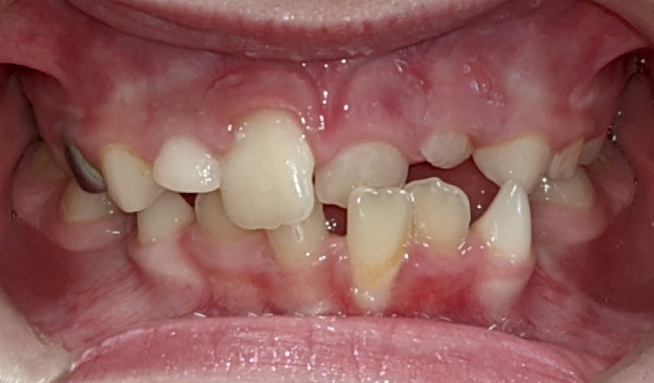
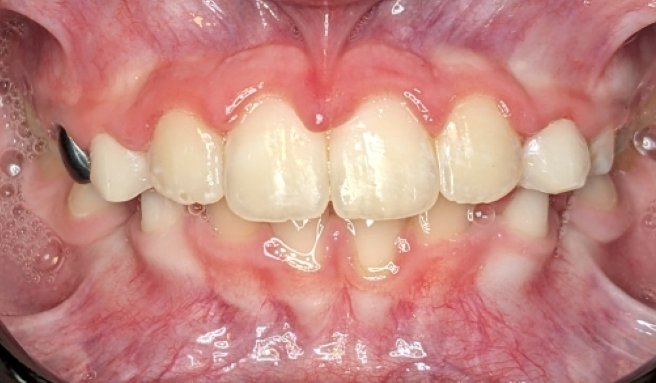


*Real patient results.
Why Timing Matters For Growing Smiles
Timing is one of the biggest reasons early palate expansion can be so effective. In younger patients, the upper jaw is still developing, which means it can often be guided more predictably than it can in adulthood. In growing patients, palatal expansion may reduce the need for extractions or help prevent impacted teeth, while untreated problems may become harder to correct later and, in some cases, may even require surgery in adulthood.
That does not mean every 7-year-old needs treatment. It means every child deserves the chance to be evaluated while the window for easier orthopedic change is still open. Sometimes the result of that visit is active treatment. Sometimes it is simply monitoring growth and checking back at the right time. At Island Orthodontics, we explain that after an early evaluation, regular checkups may be recommended so we can monitor development and choose the best timing if treatment becomes necessary.
This is where early orthodontic care can feel especially reassuring for parents. Instead of worrying that they waited too long, they get a clear answer. We can help determine whether the bite is developing normally, whether crossbite or crowding is beginning to show up, and whether early intervention could simplify what comes next. We emphasize the value of early recognition, diagnosis, and treatment planning for dentofacial abnormalities because timing and sequence matter when a child is still growing.
How A Narrow Upper Jaw Can Affect Development
A narrow upper jaw can influence much more than the way teeth line up. It can contribute to crowding, make the upper teeth fit inside the lower teeth instead of outside them, and create a bite that does not function evenly. The Cleveland Clinic notes that palate expanders are often recommended for crossbite, overcrowded teeth, and other dental conditions linked to a narrow upper jaw. Our early treatment guidance also points to bite issues, crowded teeth, and jaw growth as common reasons for early intervention.
When the upper jaw is too narrow, we may also see asymmetry beginning to develop as a child shifts the jaw to find a more comfortable bite. That is one reason crossbite is something orthodontists take seriously in growing patients. The AAPD paper on posterior crossbites outlines both the diagnostic importance of these bite relationships and the role of expansion when the upper arch has a skeletal width issue. Early correction can help guide the bite into a healthier pattern before those shifts become more established.
The goal is not just to make room for teeth. The goal is to help the jaws fit together better as the child grows. That is why palate expansion often sits in the early-treatment category rather than the purely cosmetic category. For the right child, it is about development, not just alignment. Our goal is to focus on guided jaw growth, space creation, bite correction, and the possibility of avoiding more extensive treatment later.
Why Crossbite Is Important To Catch Early
Crossbite is one of the clearest reasons we may talk about expansion in a growing child. A posterior crossbite happens when the upper teeth bite inside the lower teeth instead of outside them. This can reflect a narrow upper jaw, and in growing children, it often responds well to early orthopedic correction. TheAAPD literature specifically lists relief of posterior crossbite with a skeletal component as an indication for palatal expansion.
We have seen this firsthand in our own practice. In a review of 141 Phase 1 patients from 2008 to 2010 who presented with crossbites, every patient who received crossbite correction still maintained that correction when they came back for Phase 2 treatment. That is a powerful reminder that early treatment can create meaningful, lasting changes.
When a crossbite is corrected early in a growing child, we are doing more than straightening teeth. We are helping the bite develop in a more stable, symmetrical way. If we wait too long, the correction can become more difficult and may involve more complex treatment later.
This is one of the reasons parents should not dismiss an early bite issue as something a child will simply outgrow. Some children do not need treatment right away, but a crossbite is a good example of a problem that deserves a trained orthodontic opinion. An early visit gives us the chance to decide whether the bite should be watched or whether it would truly benefit from timely intervention.
How Expansion Can Create Space For Erupting Teeth
Another major benefit of early palate expansion is space creation. When the upper arch is too narrow, erupting permanent teeth may not have enough room to come in where they should. By widening the upper jaw, expansion can help create a better path for eruption and reduce some types of crowding. TheAAO’s early care page explains that palatal expansion can widen the upper jaw and reduce crowding in abnormally narrow arches, while its more recent age 7 guidance says expansion in younger patients may reduce the need for extractions or help prevent impacted teeth.
This does not mean an expander guarantees a child will never need braces later. Many children who benefit from early expansion still go on to have a second phase of orthodontic treatment once all permanent teeth are in. What early expansion can do is make later treatment simpler, healthier, or more efficient by improving the foundation first. That is a big difference. Instead of waiting for crowding to worsen, we can sometimes create room while growth is still on our side.
Parents often appreciate this because it reframes early treatment. It is not about doing everything early. It is about doing the right thing at the right time. If the upper jaw is too narrow, expansion may be the small early step that makes the bigger picture work better later.
What Parents Should Know About Airway And Breathing Questions
Parents often ask whether palate expansion can help with breathing, snoring, or airway development. This is an important topic, and it deserves a careful answer. Research suggests that rapid maxillary expansion, which gently widens the upper jaw, may help some children who have a narrow upper jaw breathe better through their nose in the short term. A 2021 reviewfound that this treatment can make the upper jaw, dental arches, and nasal area wider, and it may improve mouth breathing for some kids.
That nuance matters. At Island Orthodontics, we do not view palate expansion as a universal airway cure. We view it as a diagnosis-driven orthodontic tool that may support healthier development when a child truly has a narrow upper jaw, crossbite, or transverse deficiency. In some patients, that may overlap with mouth-breathing or breathing-related concerns. In others, it may not. Expansion should be recommended because the bite and jaw development support it, not because every child with airway questions automatically needs an expander.
So if you are wondering about airway improvement with braces, palate expanders, or early orthodontic treatment, the right next step is a real evaluation. We can look at the bite, the upper jaw width, the way the teeth fit, and whether the orthodontic findings support expansion. If additional medical evaluation is needed, that may be part of the conversation, too. That kind of thoughtful, team-based approach is much more helpful than overpromising what one appliance can do.
What Treatment Can Look Like At Island Orthodontics
At Island Orthodontics, early treatment starts with afree consultation. During that visit, we evaluate the teeth and jaws, talk through your child’s growth pattern, and determine whether treatment is needed now or whether monitoring is the better choice. Your first visit includes a visual exam and, if needed, X-rays and other diagnostics. Every treatment plan is customized to the child’s specific needs.
If expansion is recommended, we will explain what type of appliance makes the most sense and how it fits into the broader treatment plan. Depending on the child, early treatment may involve a palate expander alone, an expander followed by limited braces, or a short first phase focused on bite correction and space creation.
We also know parents want to know what everyday life will feel like. Most children adapt to expanders faster than parents expect. There is usually a brief adjustment period with speech, pressure, and hygiene, and children often settle in quickly once the routine becomes familiar. Expanders may be worn for weeks to months, depending on the case, followed by retention so new bone can stabilize the change. That is part of why we talk through the whole process, not just the appliance itself.
Signs Your Child May Need Early Treatment
Every child is different, but there are some common signs that make an early orthodontic visit especially worthwhile. Ourearly treatment guidance highlights crowded or overlapping teeth, difficulty chewing or biting, mouth breathing, and early or late loss of baby teeth as examples. Crossbite is another important sign, especially if you notice the upper teeth biting inside the lower teeth in the back.
Other signs can include a narrow-looking upper arch, speech changes, thumb sucking that has affected the bite, or a smile that seems to have very little room for erupting permanent teeth. None of these signs automatically mean your child will need a rapid palate expander or early braces, but they do mean it is worth getting a professional opinion. Early visits let us identify whether something needs action now or just observation over time.

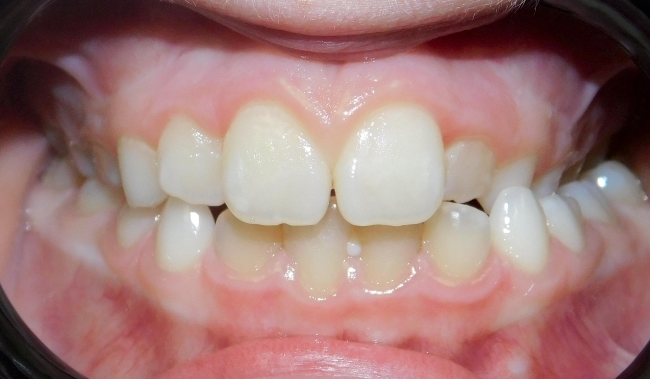

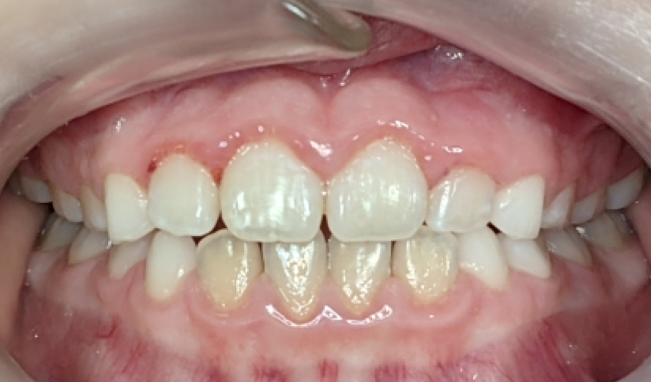

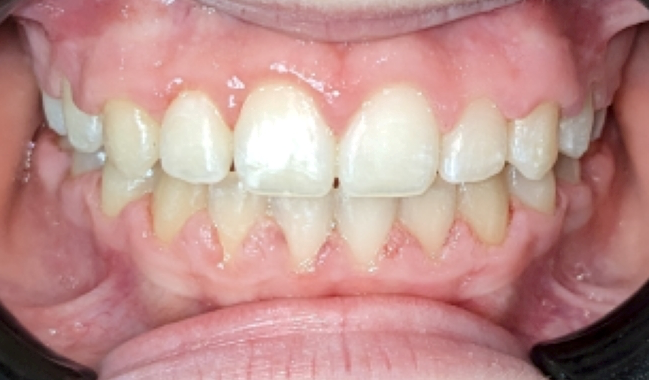
*Real patient results.
Exploring The Health And Developmental Benefits Of Timely Orthodontic Intervention
Table Of Contents
Introduction
Meet The Doctors
What Early Palate Expansion Is
Why Timing Matters For Growing Smiles
How A Narrow Upper Jaw Can Affect Development
Why Crossbite Is Important To Catch Early
How Expansion Can Create Space For Erupting Teeth
What Parents Should Know About Airway And Breathing Questions
What Treatment Can Look Like At Island Orthodontics
Signs Your Child May Need Early Treatment
Our Top Picks For Parents Considering Palate Expansion
Why Families Choose Island Orthodontics
Conclusion
Frequently Asked Questions
Introduction
When parents hear the words palate expander, they often picture an appliance and not much else. But early palate expansion is really about guiding growth while a child is still developing. In the right patient, expanding a narrow upper jaw can help correct crossbite, create room for erupting teeth, support better bite development, and make later treatment less complicated. That is one reason the American Association of Orthodontists (AAO) recommends an orthodontic evaluation by age 7. At that age, we can often see whether jaw growth, spacing, or bite relationships need early help, even if full braces are not ready yet.
At Island Orthodontics, we love helping families understand what early treatment can and cannot do. Serving Mobile and Baldwin Counties with free consultations and treatment options that include braces and Invisalign®, we focus on guiding growing smiles in a way that feels proactive, personal, and easy to understand. Our doctors, Dr. Renee Dyken, Dr. Leslie Talbert, and Dr. Erin Bilbo, lead care across our practice, and our early treatment philosophy centers on catching developing problems while children are still growing and more responsive to gentle change.
This matters because a narrow upper jaw is not just a cosmetic issue. It can be tied to crossbite, crowding, and uneven bite development. In some children, it can also raise questions about mouth breathing, nasal airflow, and how the upper jaw is developing overall. A palate expander is one of the tools orthodontists use to widen a narrow upper jaw in growing patients, especially when crossbite or crowding is part of the picture. Used at the right time, it can help us guide development instead of waiting for a bigger problem later.
Meet The Doctors
At Island Orthodontics, our team is led by Dr. Renee Dyken, Dr. Leslie Talbert, and Dr. Erin Bilbo. We are proud to care for families across Mobile and Baldwin Counties with a combination of orthodontic experience, modern treatment planning, and a strong commitment to making early care approachable for parents and kids alike. Our practice emphasizes early orthodontic treatment, customized treatment plans, and convenient care close to home.
Island Orthodontics currently highlights seven convenient locations across the Mobile and Baldwin areas, including Satsuma, Thomasville, Foley, Gulf Shores, Mobile, Robertsdale, and The Wharf. When early treatment is recommended, being able to access care more easily can make a real difference for families juggling school schedules, sports, and work.
What Early Palate Expansion Is
Early palate expansion is a form of interceptive orthodontic treatment used to widen a narrow upper jaw while a child is still growing. The Cleveland Clinic explains that a palate expander gradually moves the two halves of the upper jaw apart over time. The AAO likewise notes that palatal expansion can widen the upper jaw, reduce crowding in abnormally narrow arches, and work by stretching the growth site in the middle of the palate so new bone can form.
Parents may hear different names for expansion appliances, including terms like rapid palate expander or butterfly expander. The exact appliance can vary based on the child, the bite pattern, the amount of expansion needed, and the treatment goals. What matters most is not the label. What matters is whether the upper jaw is too narrow, whether crossbite or crowding is developing, and whether a child is still in the ideal window for orthopedic change. At Island Ortho, our approach to customized treatment plans is built around that kind of individualized planning.
In practical terms, a palate expander is not something we place just because a child is young. It is recommended when there is a real developmental reason to guide the upper jaw. That might include a posterior crossbite, a very narrow arch, crowding related to arch width, or a pattern of growth that suggests the bite would benefit from early intervention. The AAPD literature on posterior crossbite identifies relief of posterior crossbite with a skeletal component and gaining a small amount of space to relieve anterior crowding as classic indications for palatal expansion.
Why Timing Matters For Growing Smiles
Timing is one of the biggest reasons early palate expansion can be so effective. In younger patients, the upper jaw is still developing, which means it can often be guided more predictably than it can in adulthood. In growing patients, palatal expansion may reduce the need for extractions or help prevent impacted teeth, while untreated problems may become harder to correct later and, in some cases, may even require surgery in adulthood.
That does not mean every 7-year-old needs treatment. It means every child deserves the chance to be evaluated while the window for easier orthopedic change is still open. Sometimes the result of that visit is active treatment. Sometimes it is simply monitoring growth and checking back at the right time. At Island Orthodontics, we explain that after an early evaluation, regular checkups may be recommended so we can monitor development and choose the best timing if treatment becomes necessary.
This is where early orthodontic care can feel especially reassuring for parents. Instead of worrying that they waited too long, they get a clear answer. We can help determine whether the bite is developing normally, whether crossbite or crowding is beginning to show up, and whether early intervention could simplify what comes next. We emphasize the value of early recognition, diagnosis, and treatment planning for dentofacial abnormalities because timing and sequence matter when a child is still growing.
How A Narrow Upper Jaw Can Affect Development
A narrow upper jaw can influence much more than the way teeth line up. It can contribute to crowding, make the upper teeth fit inside the lower teeth instead of outside them, and create a bite that does not function evenly. The Cleveland Clinic notes that palate expanders are often recommended for crossbite, overcrowded teeth, and other dental conditions linked to a narrow upper jaw. Our early treatment guidance also points to bite issues, crowded teeth, and jaw growth as common reasons for early intervention.
When the upper jaw is too narrow, we may also see asymmetry beginning to develop as a child shifts the jaw to find a more comfortable bite. That is one reason crossbite is something orthodontists take seriously in growing patients. The AAPD paper on posterior crossbites outlines both the diagnostic importance of these bite relationships and the role of expansion when the upper arch has a skeletal width issue. Early correction can help guide the bite into a healthier pattern before those shifts become more established.
The goal is not just to make room for teeth. The goal is to help the jaws fit together better as the child grows. That is why palate expansion often sits in the early-treatment category rather than the purely cosmetic category. For the right child, it is about development, not just alignment. Our goal is to focus on guided jaw growth, space creation, bite correction, and the possibility of avoiding more extensive treatment later.
Why Crossbite Is Important To Catch Early
Crossbite is one of the clearest reasons we may talk about expansion in a growing child. A posterior crossbite happens when the upper teeth bite inside the lower teeth instead of outside them. This can reflect a narrow upper jaw, and in growing children, it often responds well to early orthopedic correction. The AAPD literature specifically lists relief of posterior crossbite with a skeletal component as an indication for palatal expansion.
We have seen this firsthand in our own practice. In a review of 141 Phase 1 patients from 2008 to 2010 who presented with crossbites, every patient who received crossbite correction still maintained that correction when they came back for Phase 2 treatment. That is a powerful reminder that early treatment can create meaningful, lasting changes.
When a crossbite is corrected early in a growing child, we are doing more than straightening teeth. We are helping the bite develop in a more stable, symmetrical way. If we wait too long, the correction can become more difficult and may involve more complex treatment later.
This is one of the reasons parents should not dismiss an early bite issue as something a child will simply outgrow. Some children do not need treatment right away, but a crossbite is a good example of a problem that deserves a trained orthodontic opinion. An early visit gives us the chance to decide whether the bite should be watched or whether it would truly benefit from timely intervention.
How Expansion Can Create Space For Erupting Teeth
Another major benefit of early palate expansion is space creation. When the upper arch is too narrow, erupting permanent teeth may not have enough room to come in where they should. By widening the upper jaw, expansion can help create a better path for eruption and reduce some types of crowding. The AAO’s early care page explains that palatal expansion can widen the upper jaw and reduce crowding in abnormally narrow arches, while its more recent age 7 guidance says expansion in younger patients may reduce the need for extractions or help prevent impacted teeth.
This does not mean an expander guarantees a child will never need braces later. Many children who benefit from early expansion still go on to have a second phase of orthodontic treatment once all permanent teeth are in. What early expansion can do is make later treatment simpler, healthier, or more efficient by improving the foundation first. That is a big difference. Instead of waiting for crowding to worsen, we can sometimes create room while growth is still on our side.
Parents often appreciate this because it reframes early treatment. It is not about doing everything early. It is about doing the right thing at the right time. If the upper jaw is too narrow, expansion may be the small early step that makes the bigger picture work better later.
What Parents Should Know About Airway And Breathing Questions
Parents often ask whether palate expansion can help with breathing, snoring, or airway development. This is an important topic, and it deserves a careful answer. Research suggests that rapid maxillary expansion, which gently widens the upper jaw, may help some children who have a narrow upper jaw breathe better through their nose in the short term. A 2021 review found that this treatment can make the upper jaw, dental arches, and nasal area wider, and it may improve mouth breathing for some kids.
That nuance matters. At Island Orthodontics, we do not view palate expansion as a universal airway cure. We view it as a diagnosis-driven orthodontic tool that may support healthier development when a child truly has a narrow upper jaw, crossbite, or transverse deficiency. In some patients, that may overlap with mouth-breathing or breathing-related concerns. In others, it may not. Expansion should be recommended because the bite and jaw development support it, not because every child with airway questions automatically needs an expander.
So if you are wondering about airway improvement with braces, palate expanders, or early orthodontic treatment, the right next step is a real evaluation. We can look at the bite, the upper jaw width, the way the teeth fit, and whether the orthodontic findings support expansion. If additional medical evaluation is needed, that may be part of the conversation, too. That kind of thoughtful, team-based approach is much more helpful than overpromising what one appliance can do.
What Treatment Can Look Like At Island Orthodontics
At Island Orthodontics, early treatment starts with a free consultation. During that visit, we evaluate the teeth and jaws, talk through your child’s growth pattern, and determine whether treatment is needed now or whether monitoring is the better choice. Your first visit includes a visual exam and, if needed, X-rays and other diagnostics. Every treatment plan is customized to the child’s specific needs.
If expansion is recommended, we will explain what type of appliance makes the most sense and how it fits into the broader treatment plan. Depending on the child, early treatment may involve a palate expander alone, an expander followed by limited braces, or a short first phase focused on bite correction and space creation.
We also know parents want to know what everyday life will feel like. Most children adapt to expanders faster than parents expect. There is usually a brief adjustment period with speech, pressure, and hygiene, and children often settle in quickly once the routine becomes familiar. Expanders may be worn for weeks to months, depending on the case, followed by retention so new bone can stabilize the change. That is part of why we talk through the whole process, not just the appliance itself.
Signs Your Child May Need Early Treatment
Every child is different, but there are some common signs that make an early orthodontic visit especially worthwhile. Our early treatment guidance highlights crowded or overlapping teeth, difficulty chewing or biting, mouth breathing, and early or late loss of baby teeth as examples. Crossbite is another important sign, especially if you notice the upper teeth biting inside the lower teeth in the back.
Other signs can include a narrow-looking upper arch, speech changes, thumb sucking that has affected the bite, or a smile that seems to have very little room for erupting permanent teeth. None of these signs automatically mean your child will need a rapid palate expander or early braces, but they do mean it is worth getting a professional opinion. Early visits let us identify whether something needs action now or just observation over time.
Our Top Picks For Parents Considering Palate Expansion
If you are wondering whether your child may benefit from early palate expansion, these are our top picks:
- Schedule the age 7 orthodontic evaluation even if teeth do not look very crooked yet
- Pay attention to crossbite, crowding, and mouth-breathing patterns
- Ask whether the upper jaw looks narrow, not just whether braces are needed
- Think of expansion as guided growth, not just an appliance
- Expect individualized planning rather than a one-size-fits-all answer
- Ask what early treatment could simplify later, even if full braces may still come in phase two
The best early-treatment conversations usually happen when parents understand the goal. We are not trying to rush children into treatment. We are trying to protect growth while the window for easier orthopedic change is still available.
Why Families Choose Island Orthodontics
Families across Mobile and Baldwin Counties choose Island Orthodontics because they want expert orthodontic care that feels convenient, encouraging, and personalized. With Dr. Renee Dyken, Dr. Leslie Talbert, and Dr. Erin Bilbo, a focus on early treatment, and seven convenient locations, we are here to help families take the right step at the right time. Whether that means monitoring growth, starting limited early treatment, or planning for braces or aligners later, we want every family to feel informed and supported.
We also believe orthodontics should be approachable. That is why we offer free consultations, help families compare braces and aligner options, and keep the focus on customized planning instead of cookie-cutter treatment. Growing smiles deserve a thoughtful foundation, and that is exactly what we work to provide.
Conclusion
Early palate expansion matters because growth matters. In the right child, widening a narrow upper jaw can help correct crossbite, create room for erupting teeth, guide healthier bite development, and potentially make later treatment less complicated. The key is not guessing. The key is evaluating the child early enough to know whether timing is on your side. The right early step can make a lasting difference for a growing smile.
At Island Orthodontics, we would love to help you understand whether your child’s growth and bite would benefit from early treatment. Call 251-968-1310 for Baldwin County or 251-344-7604 for Mobile County to schedule your free consultation and take the next step toward a healthier, more confident smile.
Frequently Asked Questions
What does a palate expander do?
A palate expander widens a narrow upper jaw over time and is commonly used to help with crossbite, crowding, and other problems tied to upper jaw width.
What age is best for early palate expansion?
The best timing depends on the child. We recommend an orthodontic evaluation by age 7 to identify growth-related problems while early treatment is still an option.
Can palate expansion help a crossbite?
Yes. The AAPD literature on posterior crossbite identifies relief of posterior crossbite with a skeletal component as an indication for palatal expansion.
Can a rapid palate expander or butterfly expander help with crowding?
In the right child, expansion can create more room in a narrow upper arch. Palatal expansion can reduce crowding in abnormally narrow arches.
Does palate expansion improve airway or breathing?
It can be associated with improvements in mouth breathing or nasal dimensions in some children with a narrow upper jaw. We treat airway questions thoughtfully and never as a one-size-fits-all promise.
Will my child still need braces later?
Maybe. Early expansion can create a better foundation and sometimes simplify later treatment, but many children still benefit from a second phase once all permanent teeth are in. The goal of early treatment is not always to avoid braces completely. It is to make future development healthier and more manageable.